Deep-Sky Commissions
Frames from
somewhere further
We point optics where most studios can’t reach — planetary transits, occultations and the dust lanes between arms of the Milky Way.
What We Offer
Astronomy services
rooted in patience and precision
Each discipline requires different equipment, timing and technique. We’ve mastered all of them.
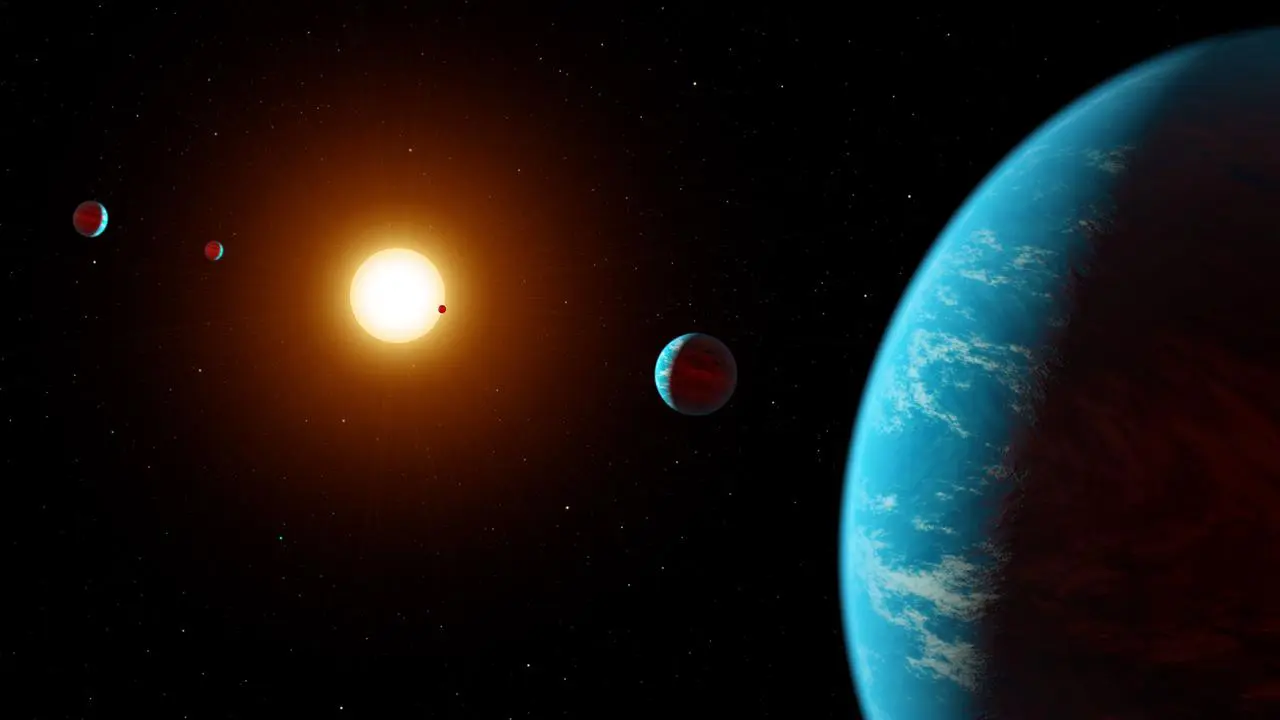
01
Deep-sky Imaging
Nebulae, galaxies and star-forming regions rendered across 50–400 hours of narrowband integration through our 610mm CDK.
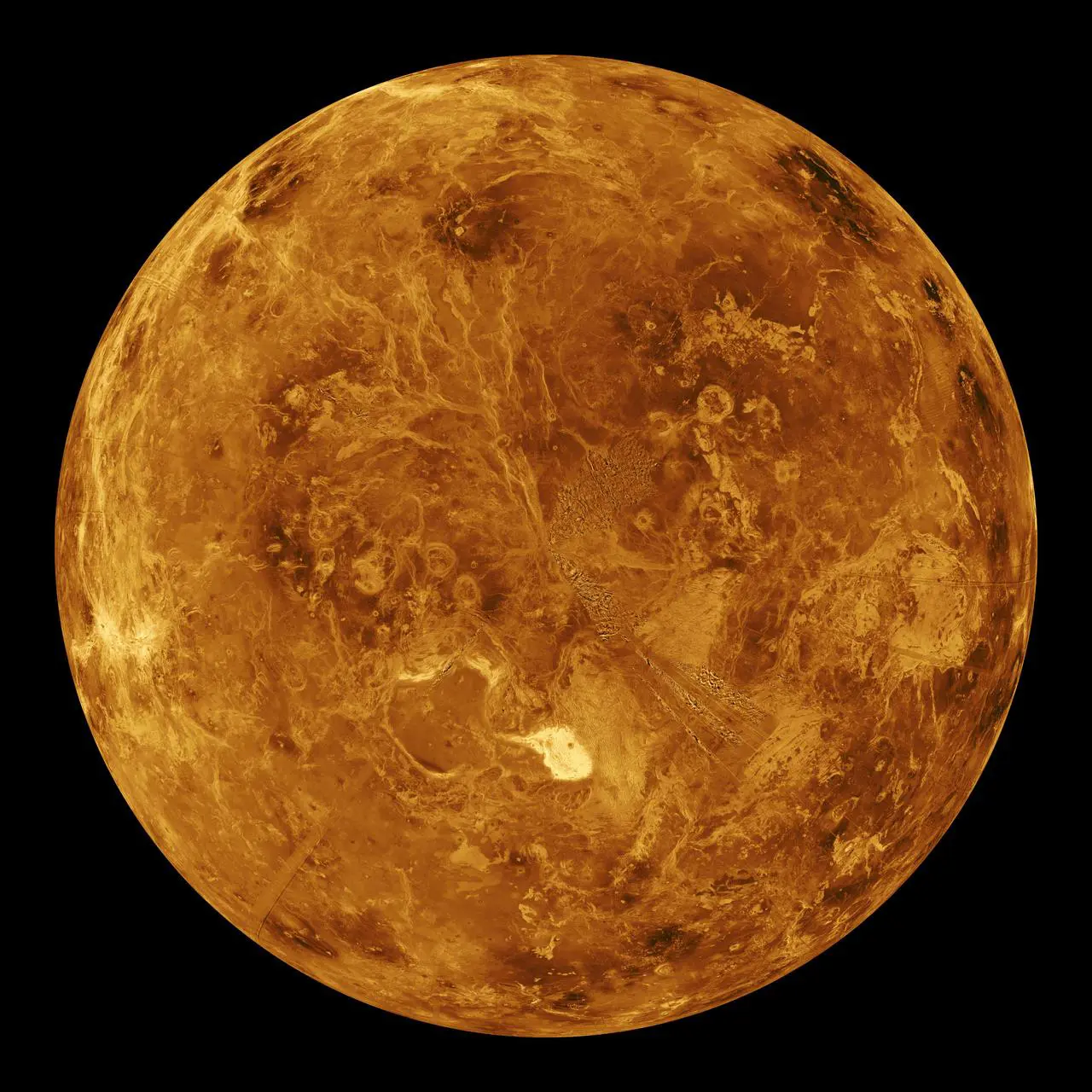
02
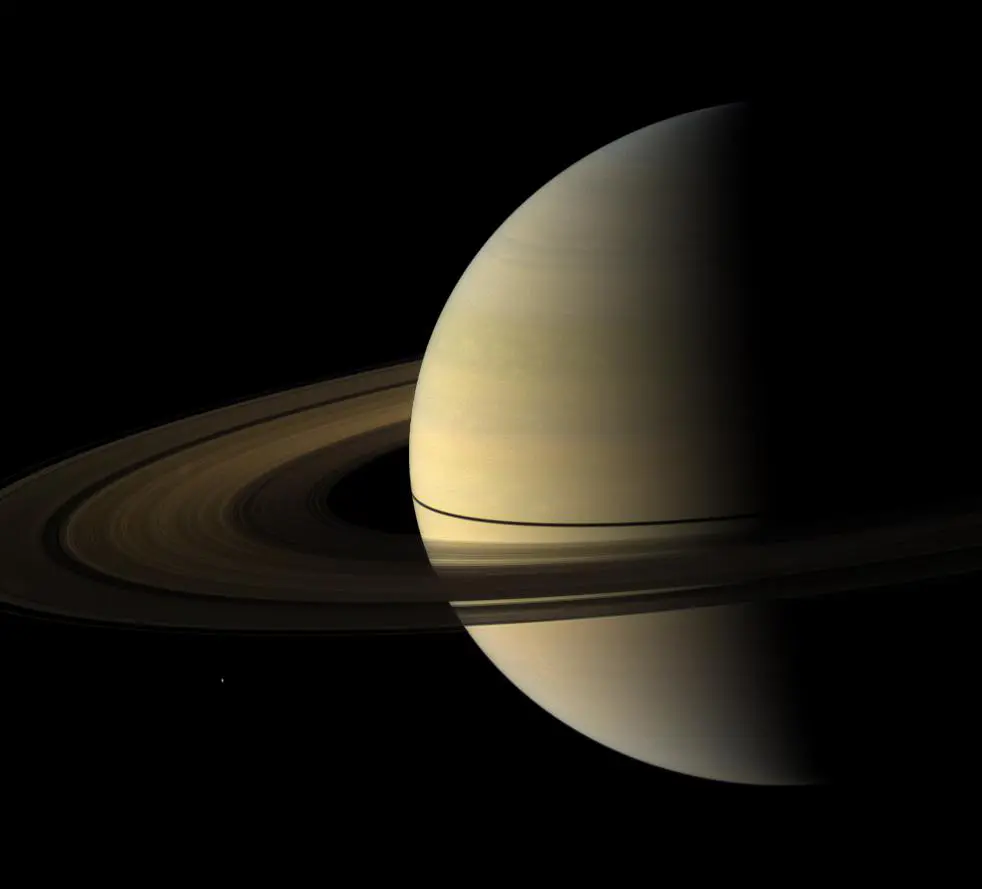
Planetary Imaging
Lucky-imaging sessions of Mars, Jupiter and Saturn at opposition, capturing cloud bands, storm systems and ring tilts.
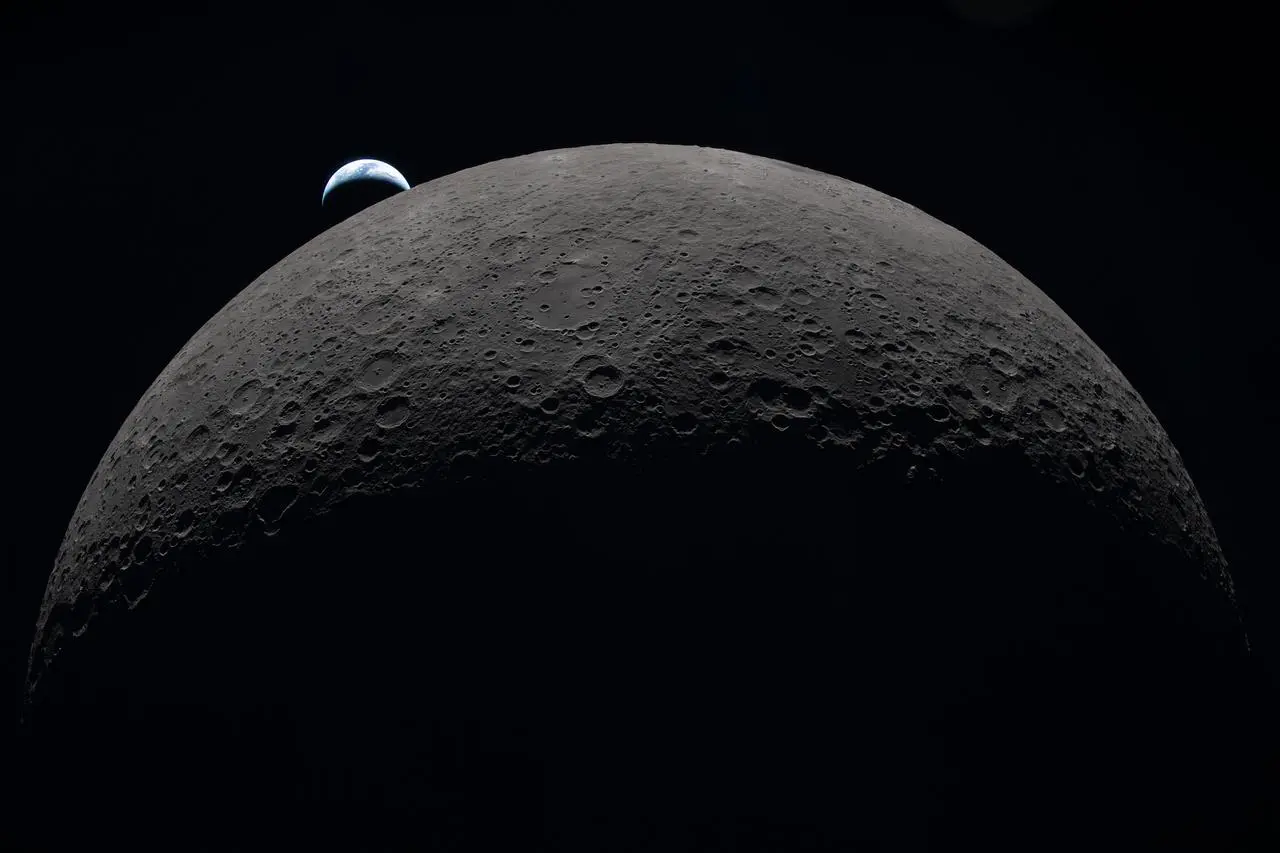
03
Lunar Photography
High-resolution crater mosaics and terminator studies down to 80-metre detail — ideal for planetarium displays and fine-art prints.
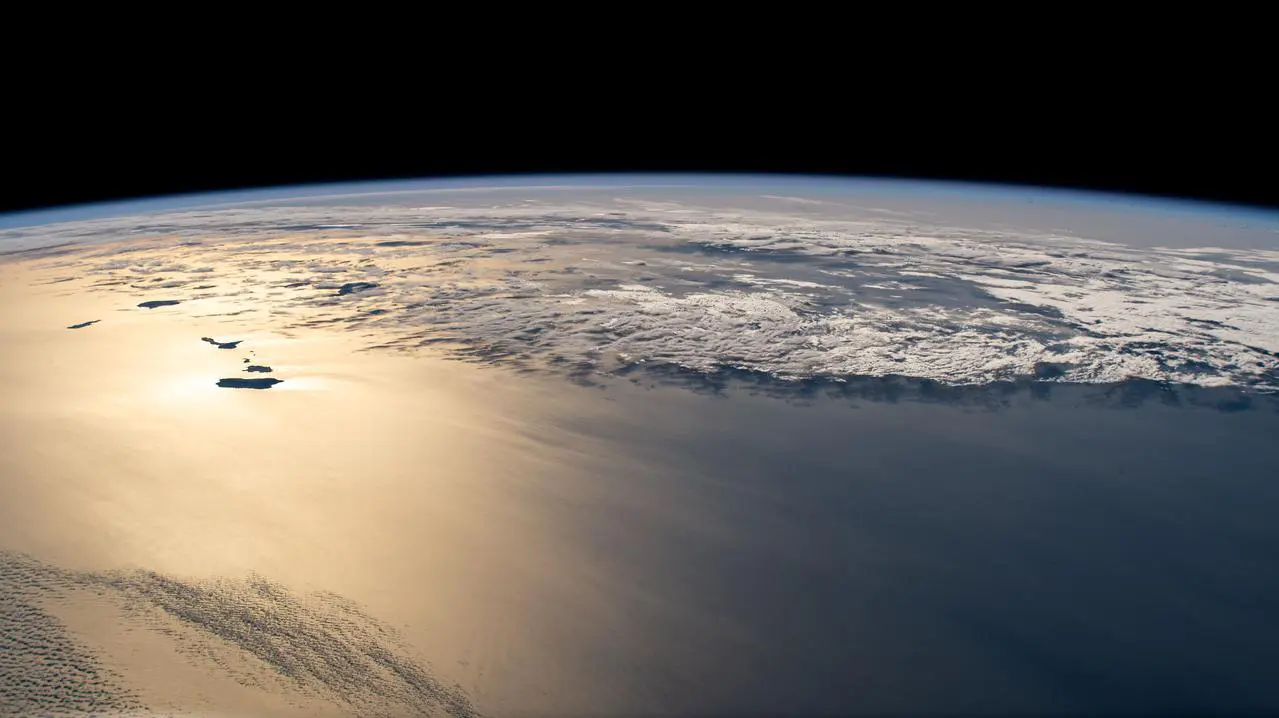
04
Transit & Occultation
Time-critical photometry of exoplanet transits, lunar occultations and mutual Jovian satellite events — coordinated with global networks.
05
Fine-art Prints
Archival pigment prints up to 60 inches on Hahnemühle Baryta, editioned, signed and delivered worldwide with a certificate of authenticity.
06
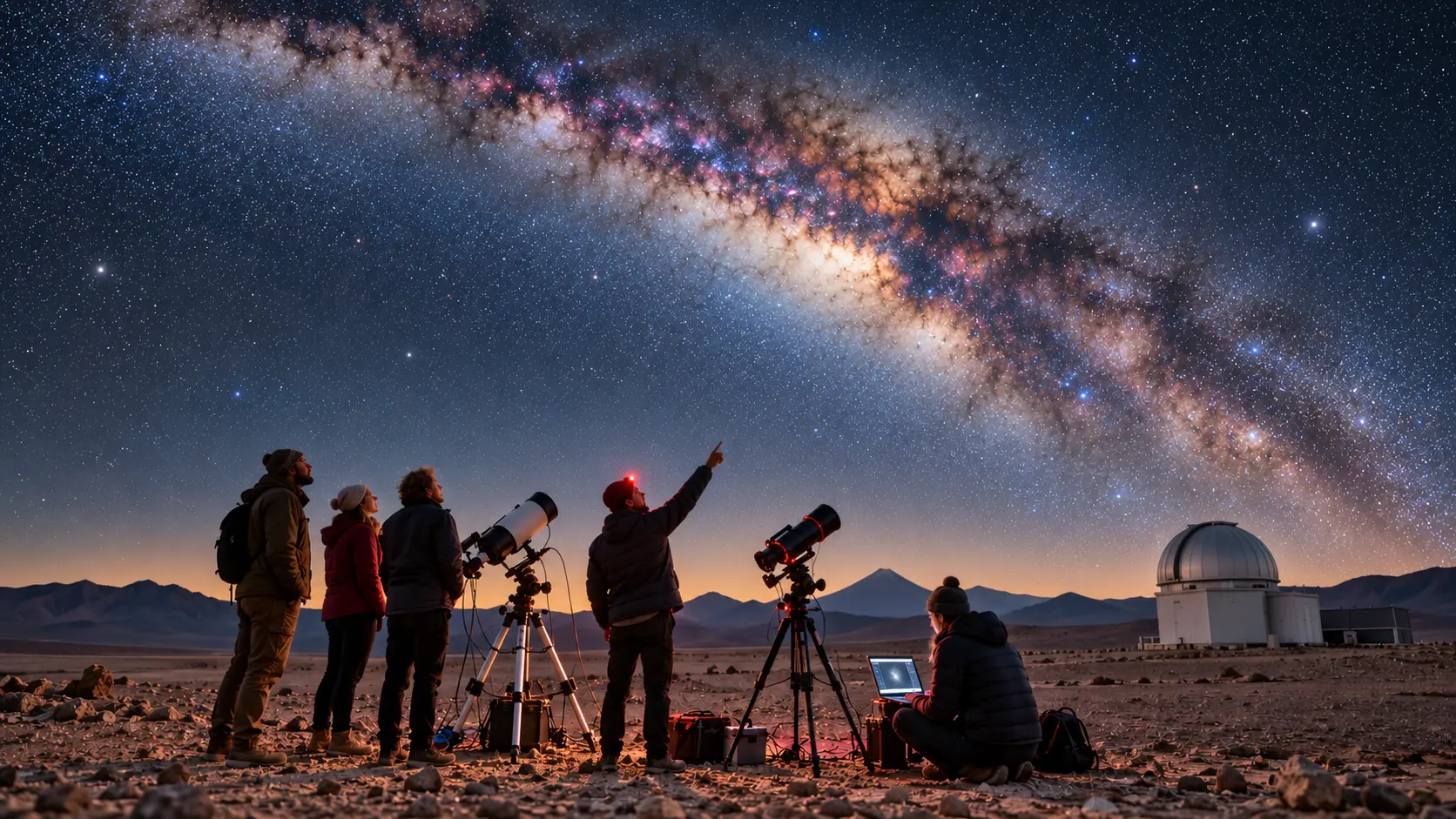
Guided Workshops
Immersive 3-day astrophotography retreats at our Atacama observatory. Groups of 4–8 participants. Next intake: September 2026.
About Us
Twelve years pointing optics at the dark
Aphelion was founded in 2014 by astrophotographer Tomás J. with a single refractor on a Patagonian hillside. Today we operate three remote observatories across Chile, New Mexico and the Canary Islands, running automated capture rigs through every clear night of the year.
Our images have been published in Nature, Apollo Magazine and ESO Picture of the Week, and hang in six planetariums across three continents. Every frame we produce is the result of hundreds of hours of integration and meticulous post-processing — not a single one is a quick exposure.
11k+
Hours on sky
94%
Clear-Night Uptime
3
observatories
Archive 2024-2026
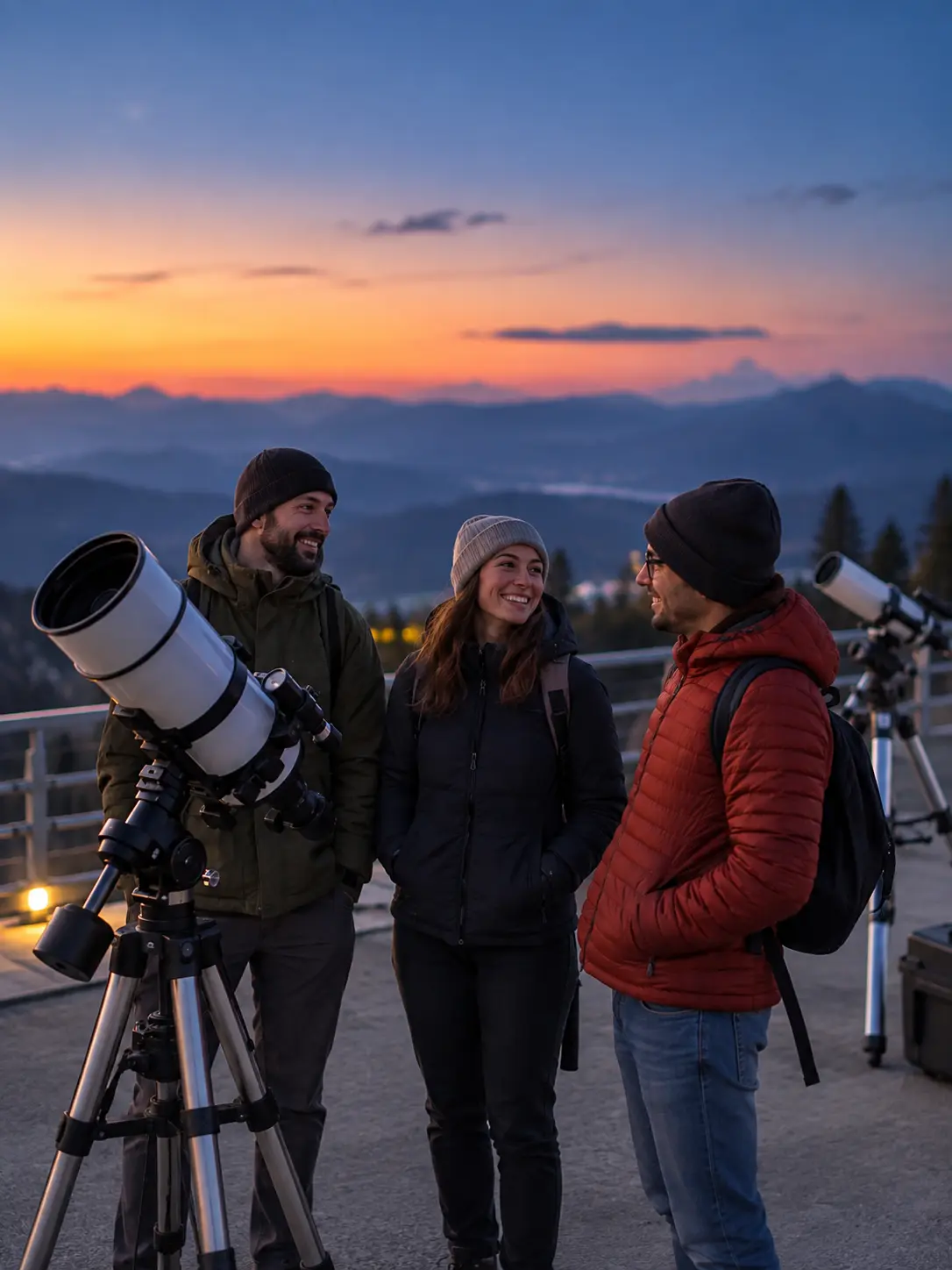
Recent captures
A selection from the archive. Each image averages 140 hours of telescope time.
How we work
From target list to final print.
From acquisition planning to archival delivery — every image built to last.
01
Week 01
Briefing & target
We agree on subject, framing and edition size, then wait for the right lunation and weather.
02
Week 02-12
Integration
Automated capture runs across remote rigs, often 40–300 hours per target across months.
03
Week 12-14
Calibration & processing
Flats, darks, bias, registration, integration, gradient removal, deconvolution, final color.
04
Week 14
Master & deliver
Archival print mastering, licensing package, editioned delivery — or digital for publication.
Client Voices
Read our reviews
What curators, editors and collectors say about working with Aphelion.
get Help
FAQs
Answers to the things clients ask most before a commission.
Most deep-sky targets require between 40 and 300 hours of integration time, spread across several nights or months depending on the lunation cycle and weather windows at our observatories. We give you an honest estimate before we begin.
Absolutely. Most commissions start with your target list. We’ll advise on visibility windows, the best observing season and which of our three sites is best suited for your object. Some targets are seasonal — we’ll always be upfront about timing.
We deliver full-resolution TIFF masters (16-bit), publication-ready JPEG derivatives and, for print orders, ICC-profiled files pre-matched to your chosen paper. Raw stacked FITS files are available on request for clients with processing expertise.
Yes. We offer one-time editorial licences, multi-use commercial licences and exclusive rights-managed agreements. Licensing is negotiated per-image. Contact us with your intended use and we’ll prepare a quote within 48 hours.
Our primary instruments are a 610mm Planewave CDK for deep-sky work, a 1000mm RC for planetary imaging, and a 200mm APO triplet for wide-field. All rigs run ZWO and QHY cooled CMOS cameras with narrowband and broadband filter wheels.
Workshops run over three nights at our Atacama facility. You’ll capture your own data on our telescopes, process it with our team, and leave with finished images and the skills to reproduce the workflow at home. Groups are limited to 8 participants.
Get in Touch
Begin a commission
We accept four new commissions per quarter. Tell us your target and we’ll tell you when the sky allows it.
Studio Address
14 Observatory Lane
Santa Fe, NM 87501
United States
Phone
+1 (480) 392-0011
hello@aphelion.studio
Availability · Q3 2026
Have a target in mind?
We accept four commissions per quarter. Tell us what you’d like to see — we’ll tell you when the sky allows it.